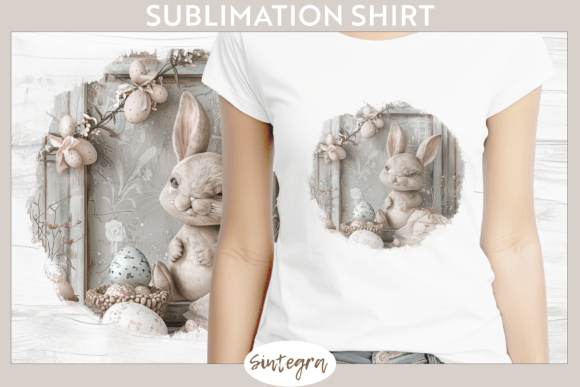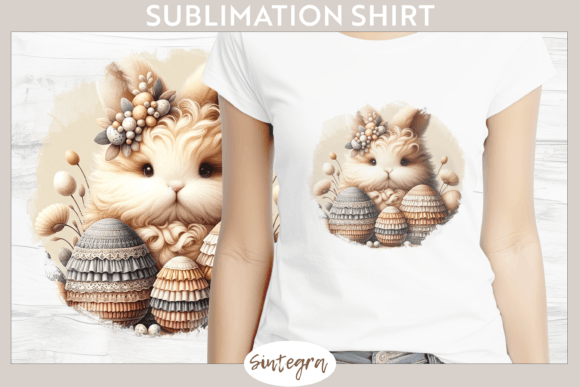
Mastering High-Resolution Transfers with Easter Bunny V16 Background Sublimation
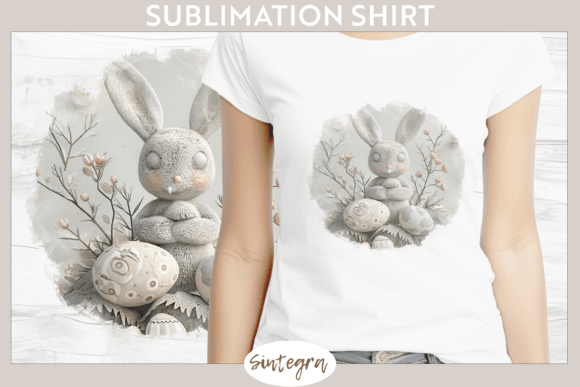
The landscape of custom apparel and personalized merchandise has shifted dramatically with the accessibility of high-fidelity digital assets. For creators, small business owners, and hobbyists alike, the quality of the source file dictates the ceiling of the final product. When working with seasonal themes, specifically spring and Easter collections, the technical specifications of the artwork are just as critical as the aesthetic appeal. The Easter Bunny V16 Background Sublimation design serves as a prime example of how precise digital engineering meets artistic expression to facilitate professional-grade garment creation.
Understanding the intersection of file resolution, color management, and substrate compatibility is essential for anyone looking to elevate their fashion game or expand their product catalog. This specific asset is not merely an illustration; it is a production-ready tool designed to bridge the gap between digital creativity and tangible retail-quality goods. By examining the technical attributes and practical applications of this 300 DPI resource, users can better understand how to maximize output quality and streamline their manufacturing workflow.
Technical Specifications and Print Fidelity
The foundation of any successful sublimation project lies in the resolution and dimensions of the source material. Low-resolution files often result in pixelation, blurring, or banding when expanded to fit garment sizes. The Easter Bunny V16 Background Sublimation file addresses these common pitfalls through rigorous technical standards. Provided as a single PNG file measuring 11.57 inches by 11.346 inches, this asset offers substantial coverage for adult-sized apparel while maintaining pixel density.
At 3472px by 3404px, the image contains over 11 million pixels of data. This density ensures that when printed at 300 DPI (dots per inch), the transitions between colors remain smooth and the edges of the illustration stay crisp. In sublimation printing, where ink transitions from solid to gas and bonds with polyester fibers, edge definition is paramount. A lower PPI (pixels per inch) would force the printer to interpolate data, creating artificial softness. The native 300 DPI specification of this file eliminates the need for upscaling, preserving the integrity of the original artwork during the heat transfer process.
Furthermore, the inclusion of a white background is a deliberate technical choice for sublimation workflows. While some designers prefer transparent backgrounds, a solid white background in a PNG format allows for easier color correction and contrast adjustment in raster editing software before printing. It provides a known baseline for white balance, ensuring that the vibrant colors of the Easter Bunny V16 design appear exactly as intended on white or light-colored polyester substrates. Since sublimation dyes are translucent, the white base of the shirt acts as the "white ink," making this file configuration optimal for standard industry practices.
Streamlining the Production Workflow
Efficiency in a print-on-demand or boutique manufacturing environment relies heavily on asset readiness. Files included with the Easter Bunny V16 package are formatted to minimize pre-press manipulation. For professionals managing tight deadlines during peak seasons, the ability to open a file and send it directly to the RIP (Raster Image Processor) software without extensive resizing or cleanup is a significant operational advantage.
- Dimensional Versatility: The 11.57-inch width accommodates most standard heat presses, including 15x15 and 16x20 platens, without requiring tiling or segmentation.
- Color Profile Integrity: High-quality sublimation requires accurate color mapping. The high-bit depth of this PNG supports a wide gamut, reducing the risk of color shifting when converting from RGB screen space to CMYK print space.
- Seamless Integration: The file structure is compatible with major design ecosystems including Photoshop, Illustrator, GIMP, and dedicated sublimation software like CreativeStudio or Sawgrass Print Manager.
Beyond mere convenience, the ease of transfer mentioned in the product description refers to the predictability of the outcome. When a file is optimized for sublimation, the ink saturation levels are balanced to prevent bleeding or ghosting. Users can create professional-grade garments that stand out because the digital asset was engineered for the physical medium, rather than adapted as an afterthought. This reliability reduces waste from misprints and test runs, directly impacting profitability and sustainability in small-scale production.
Aesthetic Value and Market Differentiation
In a saturated market of seasonal apparel, visual distinction is the primary driver of consumer interest. Generic clip art often fails to capture attention or convey value. The Easter Bunny V16 Background Sublimation design is crafted to offer a unique artistic style that transcends standard holiday clichés. Whether the goal is to make a bold statement or add a touch of sophisticated artistry to a wardrobe, the complexity and charm of this illustration provide a competitive edge.
The design’s composition allows for flexible placement. While centered designs are traditional, the high resolution permits cropping for pocket prints, sleeve accents, or tote bag placements without losing detail. This versatility enables creators to develop cohesive collections rather than isolated products. For educators creating spirit wear, researchers studying textile trends, or business owners building a spring lineup, the artistic merit of the file translates directly into perceived product value.
Elevating one's fashion game involves moving away from mass-produced aesthetics toward curated, high-definition visuals. Captivating t-shirt collections are built on assets that evoke emotion and demonstrate craftsmanship. The intricate details preserved in the 3472px x 3404px canvas ensure that even upon close inspection, the garment retains its premium feel. This attention to detail fosters customer loyalty and encourages repeat business, as buyers associate the brand with quality and uniqueness.
Community Engagement and Visual Validation
The relationship between digital asset providers and end-users extends beyond the transaction. There is a collaborative ecosystem inherent in the sublimation community where shared results drive innovation and confidence. We absolutely love seeing the final products you create with our designs, as real-world applications often reveal creative possibilities that mockups cannot capture. Mockups serve a functional purpose for presentation and listing optimization, but they are static representations.
When creators share photos along with their reviews, it provides invaluable social proof and technical validation for prospective users. Seeing the Easter Bunny V16 Background Sublimation design on different fabric blends, under various lighting conditions, and styled in diverse ways helps others visualize potential outcomes. This exchange brings joy not only to the design team but also to other customers who rely on peer feedback to make informed purchasing decisions. It transforms a solitary creative act into a communal learning experience, reinforcing best practices and inspiring new interpretations of the artwork.
Material Considerations for Optimal Results
While the digital file is flawless, the physical realization of the Easter Bunny V16 design depends on appropriate material selection. Sublimation is a chemical process that requires specific conditions to succeed. Understanding these variables ensures that the high-quality promise of the digital asset is fulfilled in the physical product.
- Polyester Content: For the most vibrant and permanent transfer, garments should be 100% polyester or have a high poly-blend ratio (minimum 65%). The dye bonds to polymer chains; cotton fibers will not retain the image permanently, resulting in washed-out fades.
- Substrate Color: As noted with the white background file specification, this design is optimized for white or very light-colored substrates. Sublimation dyes are transparent and cannot print white ink. Dark fabrics will obscure the lighter elements of the Easter Bunny V16 illustration.
- Heat Press Parameters: Consistent pressure and accurate temperature are non-negotiable. Typically, 385°F to 400°F for 45-60 seconds is recommended, though manufacturers' guidelines for specific blanks should always take precedence. Uneven pressure can cause blurry areas, negating the benefits of the 300 DPI source file.
- Paper Selection: Use high-release sublimation paper to ensure maximum ink transfer. Papers with poor release rates can leave residual ink on the surface, dulling the final image despite the high resolution of the PNG.
By aligning material choices with the technical strengths of the Easter Bunny V16 Background Sublimation file, creators ensure that every pixel translates into a vibrant, durable print. The synergy between exceptional digital assets and proper execution techniques is what ultimately defines success in the custom apparel industry. Embracing this holistic approach allows users to say goodbye to ordinary t-shirts and establish a reputation for excellence in a crowded marketplace.