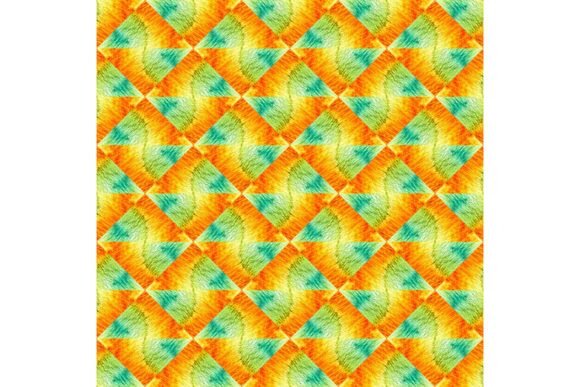
Unlocking Creative Potential: A Guide to Red, Yellow, and Blue Geometric Digital Paper
In the vast ecosystem of digital design, few assets are as versatile and foundational as high-quality digital paper. Specifically, a Red, Yellow, and Blue Gradients Geometric Patterned Digital Paper file sized at 4000 x 4000 pixels with a resolution of 400 DPI represents more than just a colorful background; it is a fundamental building block for creators across multiple disciplines. Whether you are a seasoned graphic designer, a scrapbooking enthusiast, or an educator creating learning materials, understanding the technical specifications and creative applications of this specific type of asset can significantly elevate the quality of your work.
This guide explores the significance of primary color gradients in geometric design, the importance of high-resolution specifications like 400 DPI, and the myriad ways this digital asset integrates into modern creative workflows, from fashion design to video game development.
The Psychology and Power of Primary Color Gradients
To fully appreciate the utility of red, yellow, and blue geometric patterns, one must first understand why these colors remain dominant in visual culture. As the traditional primary colors, they form the basis of color theory. When combined in a gradient format within a geometric structure, they create a dynamic visual tension that captures attention without overwhelming the viewer.
Why Geometric Patterns Matter
Geometric patterns provide a sense of order and structure that organic shapes often lack. In digital paper, geometry serves as a neutral yet engaging canvas. The repetition of shapes creates rhythm, while the gradient introduces movement. This combination is particularly effective because:
- Visual Hierarchy: Gradients naturally guide the eye across the composition, helping designers direct focus to specific areas where text or focal images will be placed.
- Modern Aesthetic: Sharp lines blended with smooth color transitions bridge the gap between retro nostalgia and contemporary minimalism.
- Versatility: Unlike photographic backgrounds which carry specific contextual baggage (e.g., a beach photo implies summer), abstract geometric patterns are context-neutral, making them suitable for almost any project theme.
The Emotional Impact of Red, Yellow, and Blue
When utilizing this specific color triad, designers tap into deep-seated psychological associations. Red evokes energy, passion, and urgency; yellow suggests optimism, clarity, and warmth; blue communicates trust, stability, and calm. A gradient that blends these three creates a balanced emotional spectrum. For educational materials, this balance keeps students engaged without causing overstimulation. For marketing materials, it conveys a brand that is both energetic and trustworthy.
Technical Excellence: Understanding 4000 x 4000 Pixels and 400 DPI
A common misunderstanding among beginners in digital design is assuming that all image files are created equal. However, the specification of 4000 x 4000 pixels at 400 DPI is a critical differentiator that separates professional-grade assets from standard web graphics.
The Significance of Resolution
DPI stands for "Dots Per Inch," and it is the standard measurement for print quality. While screens typically display images at 72 or 96 PPI (Pixels Per Inch), professional printing requires much higher density to avoid pixelation.
- Standard Print Quality: Most commercial printers require a minimum of 300 DPI for crisp results.
- The 400 DPI Advantage: At 400 DPI, this digital paper exceeds standard requirements. This extra data provides a safety buffer, ensuring that even if the image is slightly cropped or adjusted during the layout process, the final print remains razor-sharp.
- Large Format Capability: With dimensions of 4000 x 4000 pixels, this file supports large-format printing such as posters and banners without losing integrity. A lower resolution file stretched to poster size would appear blurry and unprofessional.
JPG Format Considerations
The file is provided in JPG format, which is universally compatible with virtually every design software, from Adobe Photoshop and Illustrator to free tools like GIMP and Canva. While some purists prefer PNG or TIFF for lossless quality, a high-DPI JPG offers an optimal balance between file manageability and visual fidelity. For geometric patterns with smooth gradients, a high-quality JPG compression artifact is rarely visible to the naked eye, especially at 400 DPI.
Practical Applications Across Industries
The true value of this digital paper lies in its adaptability. It is not limited to a single niche but serves as a cross-functional asset in various sectors.
Stationery, Cards, and Invitations
In the world of physical stationery, texture and color depth are paramount. This geometric pattern serves as an excellent base for wedding invitations, birthday cards, and corporate letterheads. The primary colors can be muted with a white overlay for a subtle, sophisticated look, or used at full saturation for children’s party invitations. Because the file is 400 DPI, home crafters using inkjet printers and professional shops using offset presses will achieve consistent, vibrant results.
Scrapbooking and Memory Keeping
Digital scrapbooking has revolutionized how we preserve memories. This digital paper acts as a "mat" for photographs. The geometric nature of the pattern complements the rectangular shape of photos, while the colorful gradients add life to pages that might otherwise feel static. Experienced scrapbookers often use the clipping mask technique to shape this paper into circles, stars, or custom frames, leveraging the high resolution to ensure edges remain smooth.
Fashion and Textile Design
Fashion designers frequently utilize digital paper as a starting point for textile prints. A 4000 x 4000 pixel tile is ideal for creating seamless repeats for fabric printing. The bold red, yellow, and blue palette translates exceptionally well to streetwear, activewear, and accessories. Designers can manipulate the scale of the geometric pattern digitally before sending it to textile manufacturers, testing how the gradient interacts with different fabric weaves virtually.
Digital Media: Blogs, Video Games, and UI
In the digital realm, resolution still matters. While web images are downscaled, starting with a 4000px master file allows for future-proofing. As retina displays and 4K monitors become standard, having high-resolution source assets prevents websites and apps from looking dated. For video game developers, this type of geometric pattern is invaluable for UI skins, menu backgrounds, and texture mapping on 3D objects. The primary color scheme is often associated with arcade aesthetics or puzzle games, making it a thematic fit for specific genres.
Best Practices for Implementation
To maximize the effectiveness of this Background 422 asset, consider the following professional tips:
- Contrast Management: Because red, yellow, and blue are high-saturation colors, ensure that any text placed over the background has sufficient contrast. White text with a drop shadow or dark text on a lightened version of the pattern usually works best.
- Layering Techniques: Do not feel compelled to use the pattern at 100% opacity. Reducing opacity to 30-50% or applying a blend mode like "Multiply" or "Overlay" can integrate the pattern more subtly into complex compositions.
- Color Grading: Even though the file is RGB primary colors, you can adjust the hue/saturation layers to shift the palette. Turning the blues to teals and reds to corals can instantly adapt the asset for seasonal trends without losing the geometric structure.
- Seamless Tiling: If using this for web backgrounds or fabric, verify if the edges align perfectly. If not, use the offset filter in your editing software to create a seamless repeat tile from the 4000px source.
Conclusion: Investing in Quality Assets
In an era of AI-generated imagery and instant content creation, the deliberate choice of high-specification assets like Red, Yellow, and Blue Gradients Geometric Patterned Digital Paper signifies a commitment to quality. The 400 DPI resolution ensures that your creative vision is not compromised by technical limitations, whether you are printing a book cover or designing a digital banner.
Understanding the interplay of color psychology, geometric structure, and technical resolution empowers creators to make informed decisions. This digital paper is not merely a decorative element; it is a professional tool that bridges the gap between imagination and tangible reality. By mastering the use of such foundational assets, designers and hobbyists alike can produce work that is visually striking, technically sound, and endlessly adaptable to the demands of modern creativity.